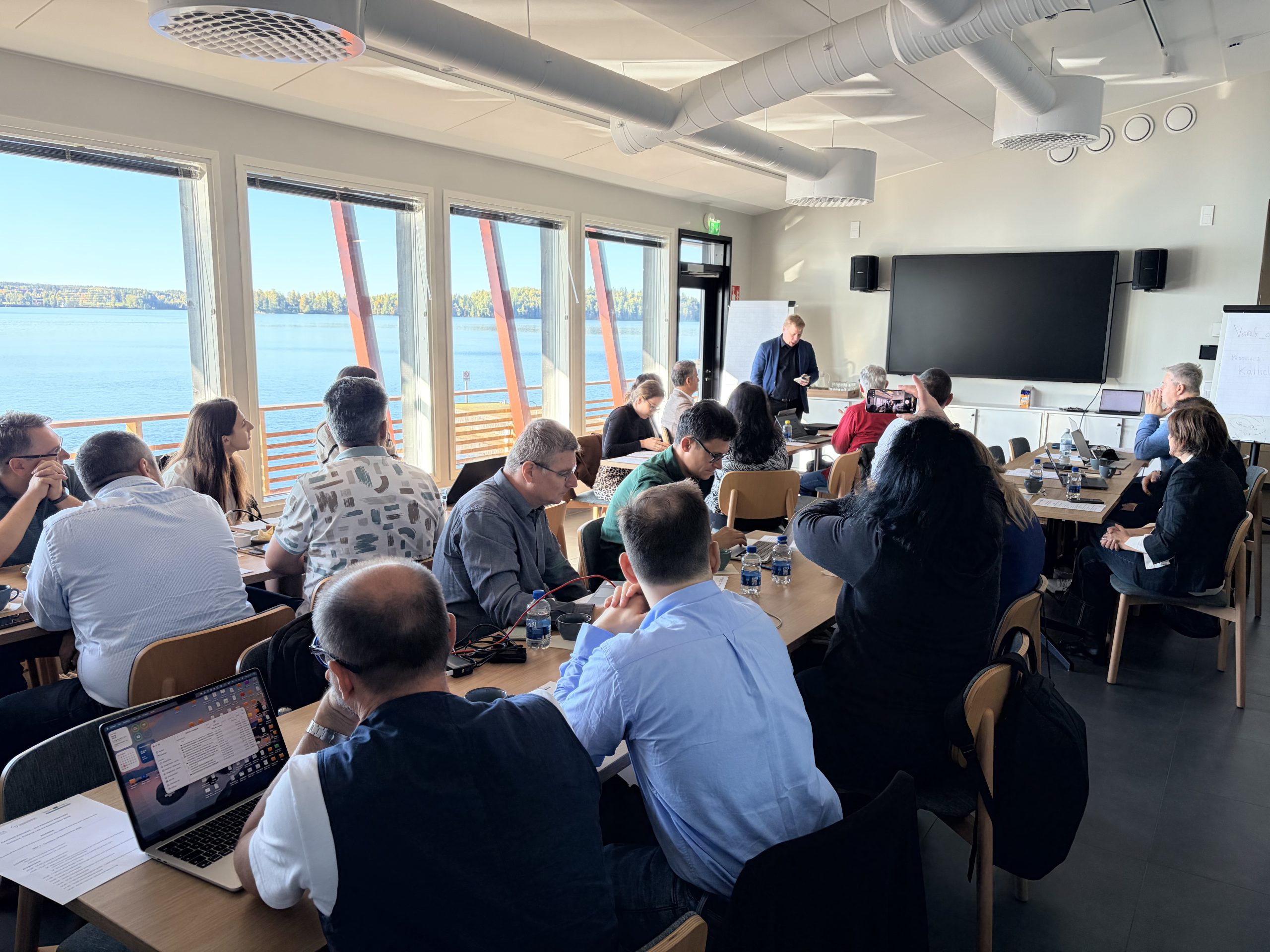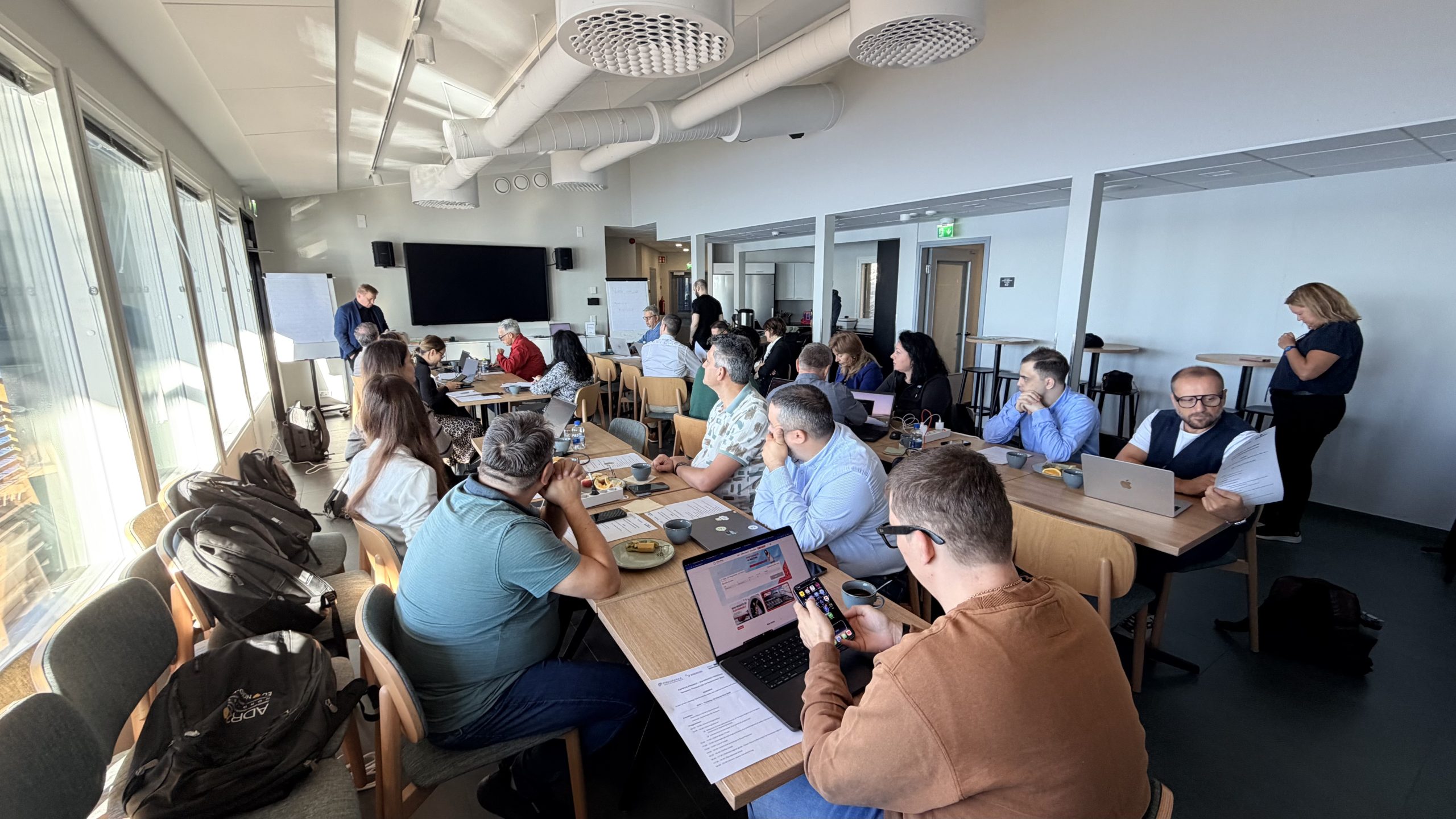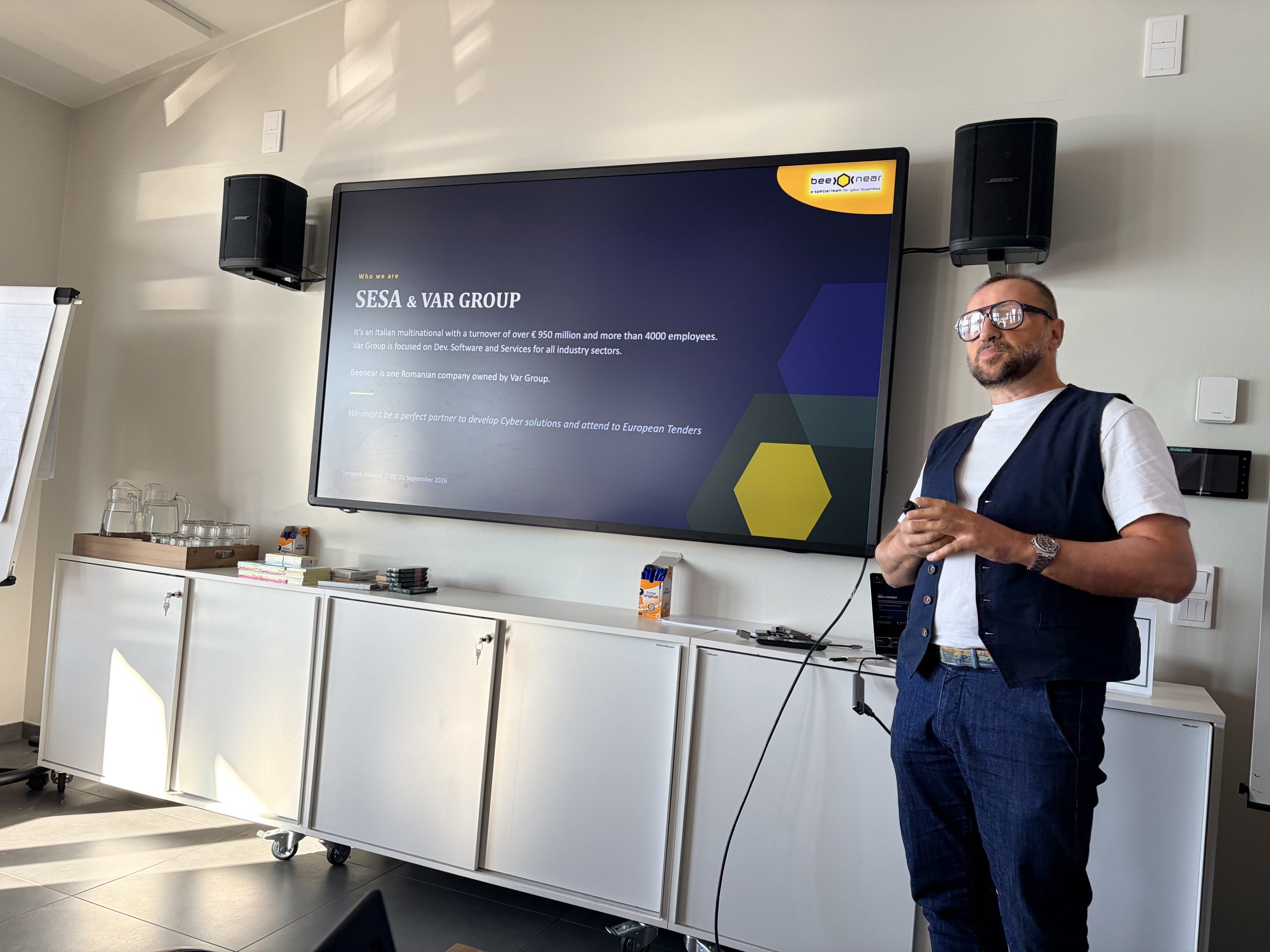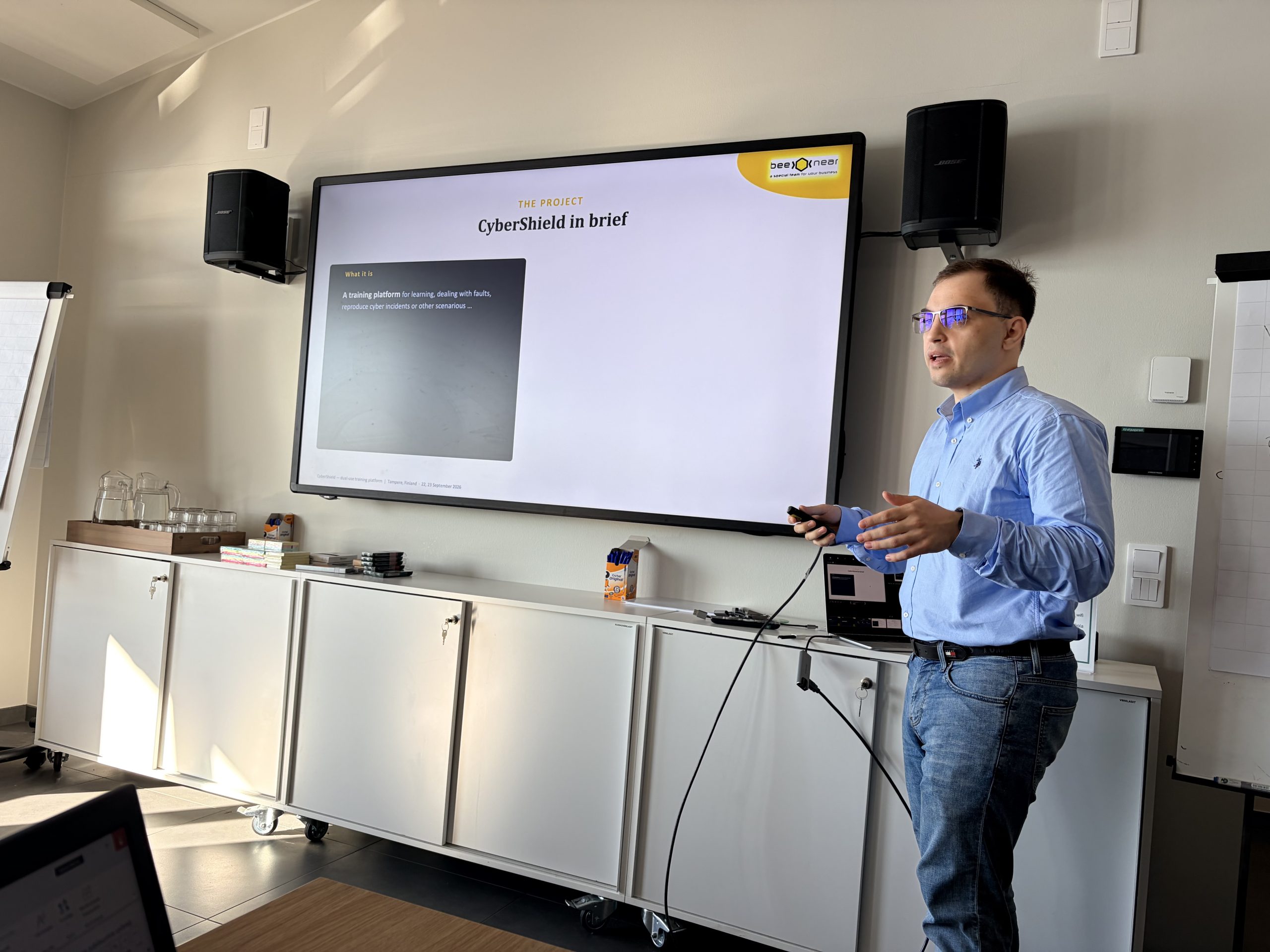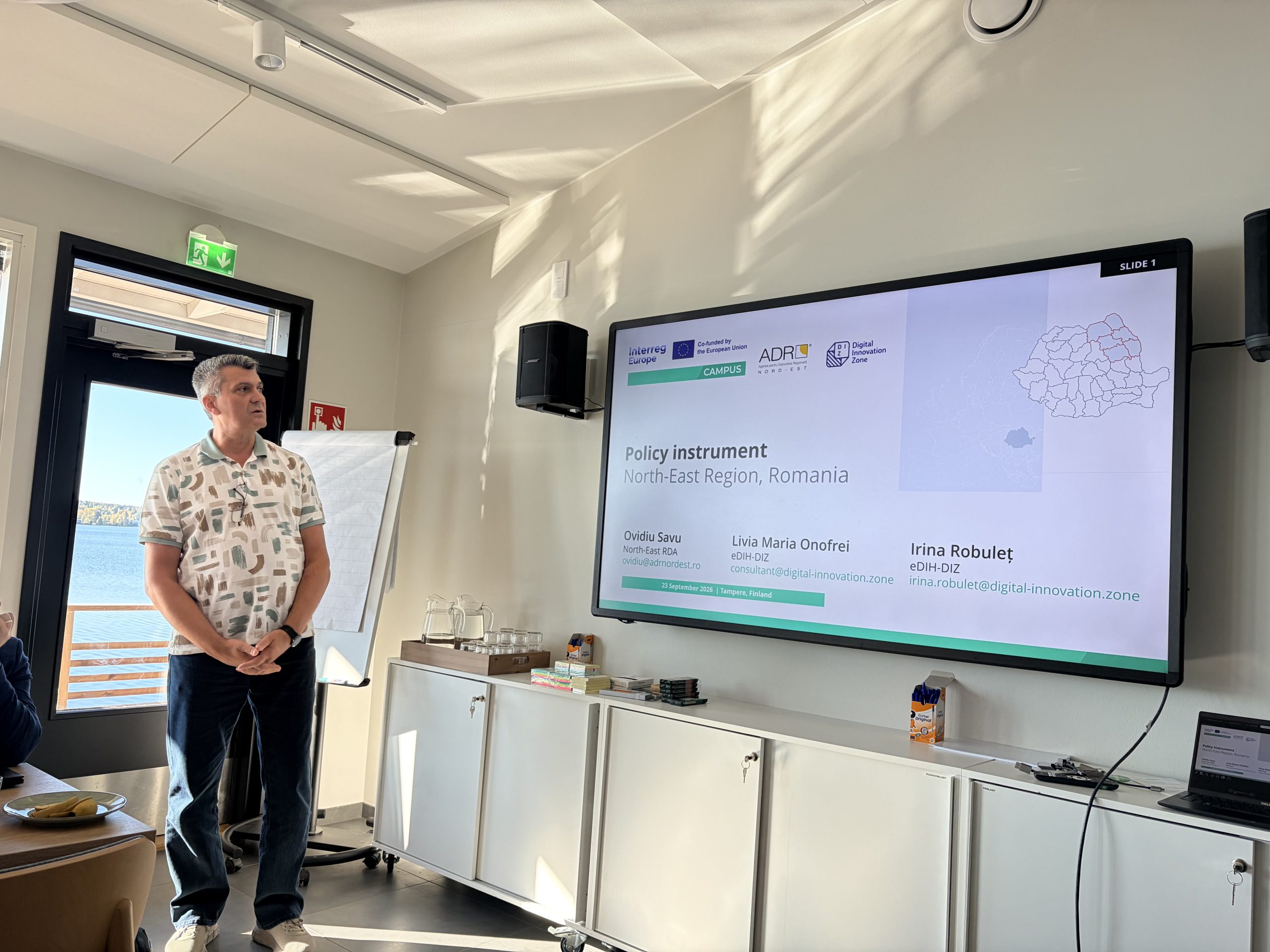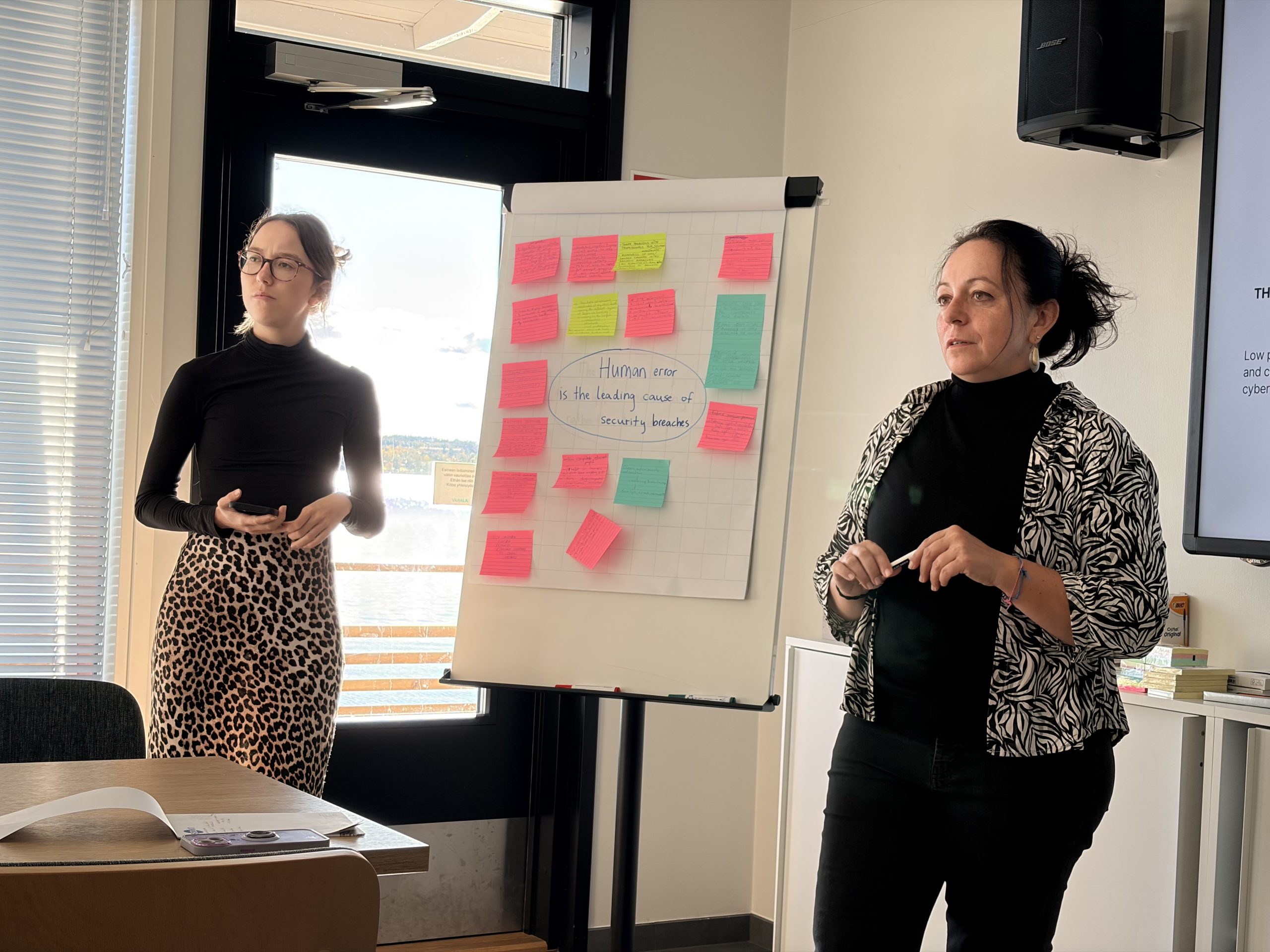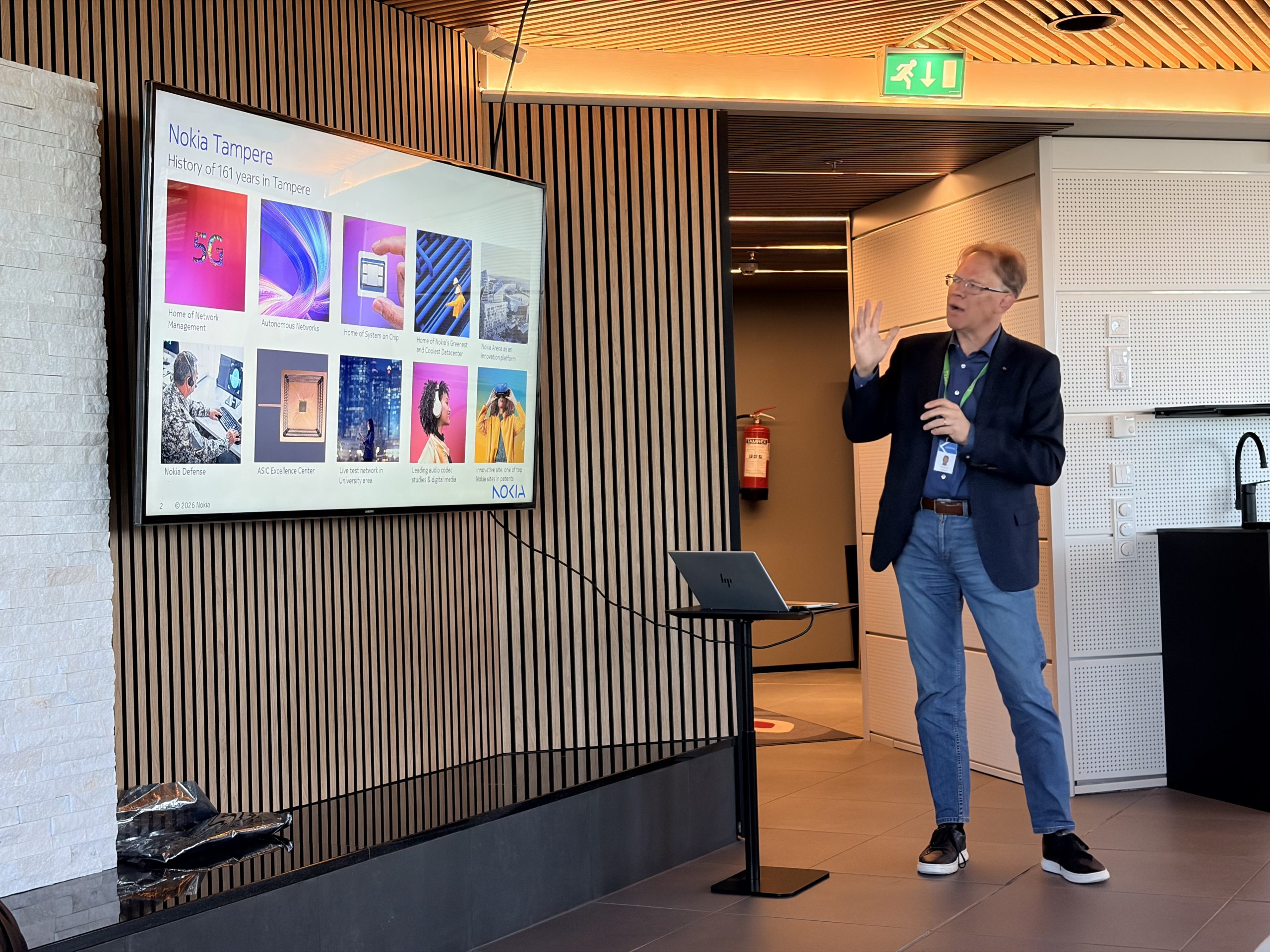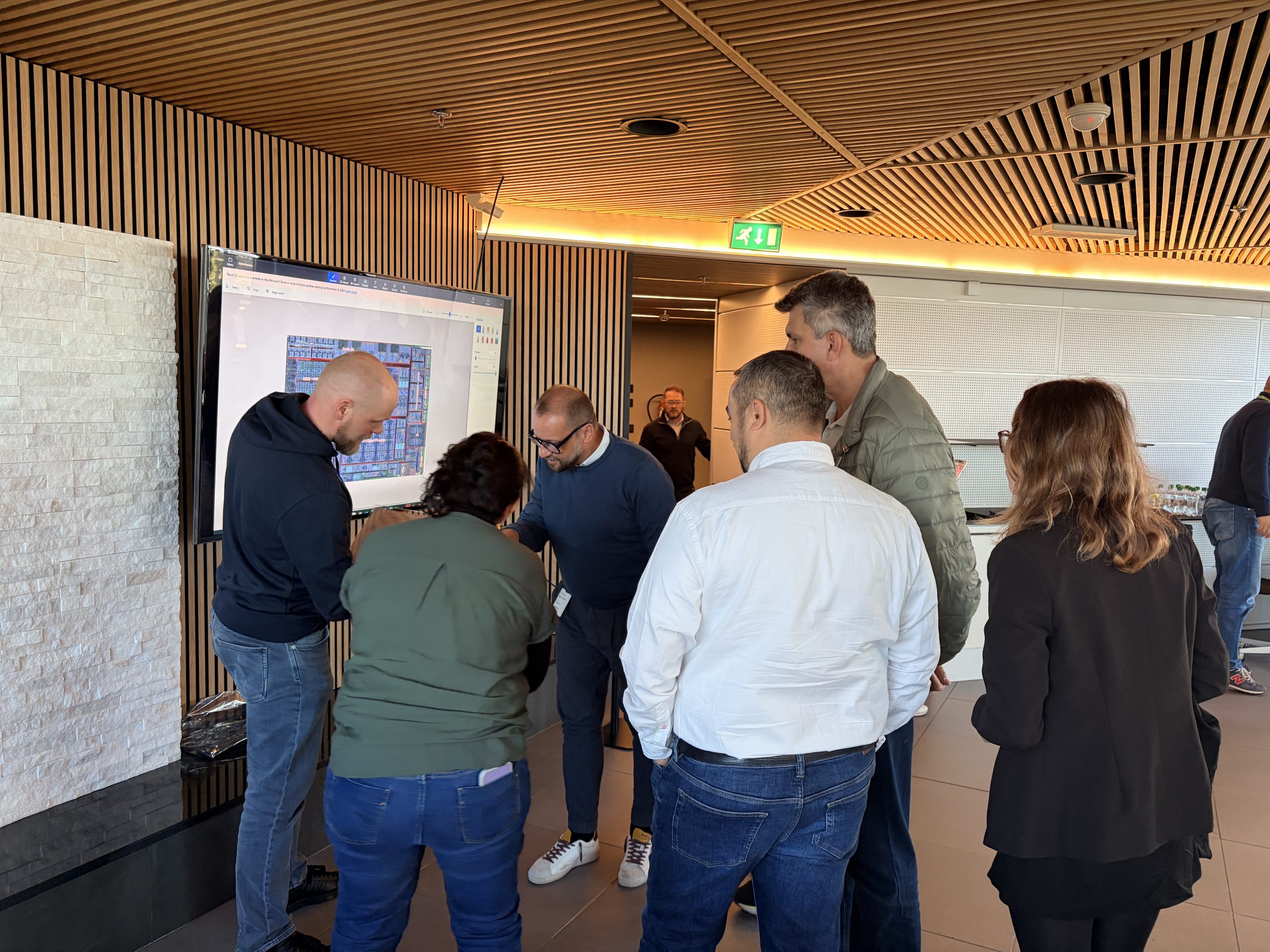



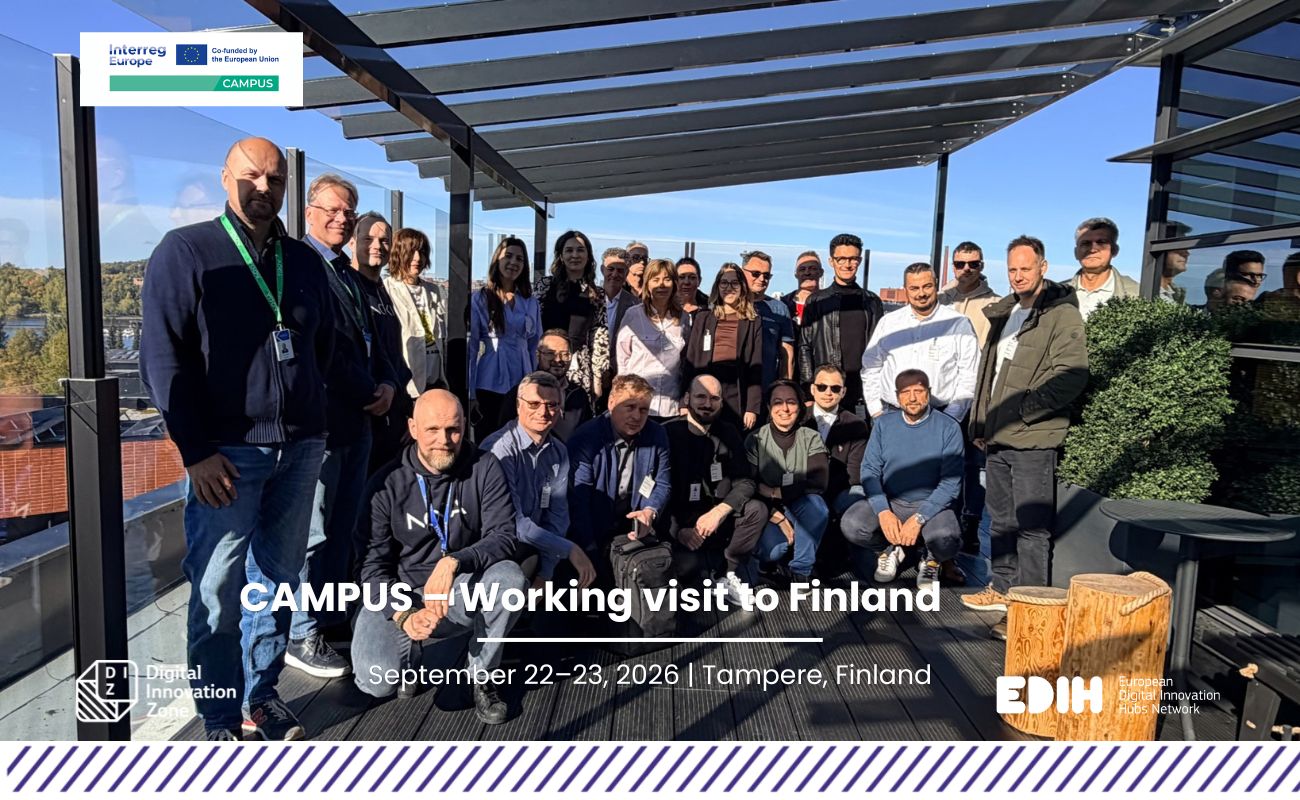
On 22-23 September 2026, Digital Innovation Zone and the North-East Regional Development Agency (ADR Nord-Est) participated in the third project meeting of CAMPUS | Interreg Europe – Digital Campuses for European Resilience, held in Tampere, Finland. The meeting focused on cybersecurity within regional security ecosystems, combining interregional knowledge exchange with workshops, presentations, and study visits.
For this visit, Digital Innovation Zone and ADR Nord-Est jointly brought together a delegation of representatives from the public, private and academic, aiming to connect key stakeholders from Romania’s North-East Region with European best practices and models in cybersecurity.
Digital Innovation Zone was represented by Livia Onofrei, Innovation Consultant, and Irina Robuleț, Non-Reimbursable Financing Expert, while ADR Nord-Est was represented by Ovidiu Savu, Head of the External Cooperation Office.
Alongside the teams of the two partner organisations, the delegation included Sabina Manea, Director of Ion Simionescu Secondary School in Iași; Gabriela Conea, Iași County School Inspectorate; Assistant Professor Cătălin Mironeanu, PhD, Gheorghe Asachi Technical University of Iași; Gheorghiță Butnaru, (TUIASI); Ștefan Munteanu, Software Engineer – Technical Lead, Beenear; Nicola Ancilotto, Strategy Business Development Manager, Var4Retail; Lucian Alexa, Cybersecurity Office Expert, ADR Nord-Est; Bogdan Termure, HiO Corporation; and Claudiu Vlăduț Costan, Delivery Manager, Strongbytes.
The diversity of organisations and professional backgrounds represented allowed CAMPUS topics to be explored from complementary perspectives, ranging from public policy and education to research, technology, skills development, and practical cybersecurity solutions.
Exchanging Best Practices for More Digitally Resilient Regions
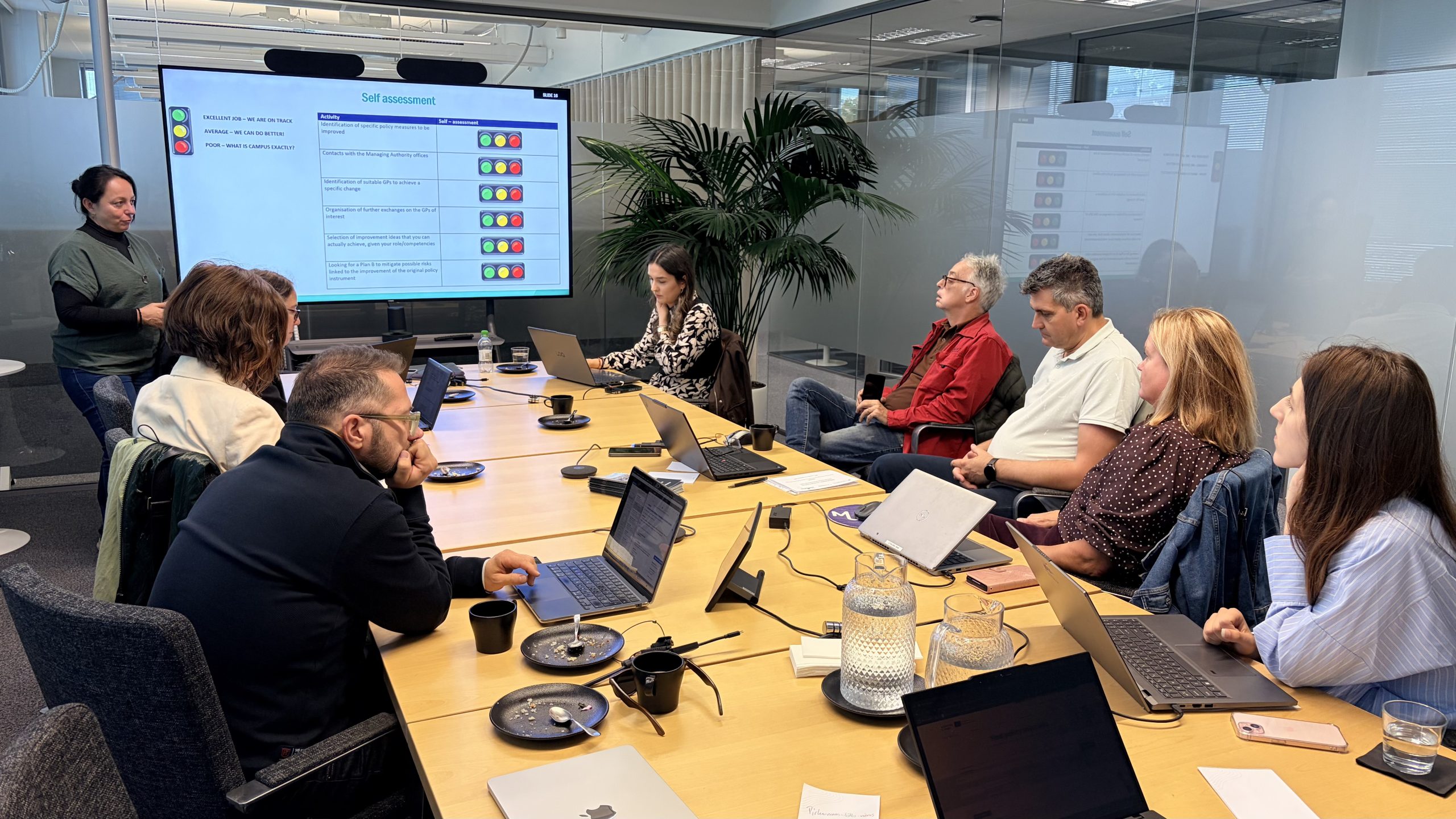
The first day of the meeting focused on interregional exchange, the presentation of policy instruments, and best practices developed across the partner regions. Participants worked together in interactive sessions to explore the experiences presented and discuss how they could be adapted to the needs of their own regional ecosystems. The agenda included a session dedicated to interregional exchange and policy instruments, followed by an interactive workshop on good practices.
Discussions highlighted topics such as cybersecurity skills development, awareness raising, and talent identification, as well as the role of governance and public policies in strengthening regional cybersecurity ecosystems.
An important part of the day was dedicated to the Cyber Maturity Barometer for European Regions, a methodological tool explored within CAMPUS to assess cybersecurity maturity at the regional level.
Through these activities, CAMPUS aims to ensure that knowledge exchange between European regions goes beyond sharing examples and contributes to identifying good practices that can be transferred, adapted, and integrated into regional policies and initiatives.
Tampere – An Ecosystem Where Technology, Research, and Security Come Together
The second day gave the delegation the opportunity to explore Tampere’s innovation and security ecosystem in greater depth.
The programme included presentations on the Safety and Security Cluster in Tampere and the System-on-Chip Hub, offering participants insights into how the region brings together businesses, research, technology, and institutions around shared innovation and security objectives.
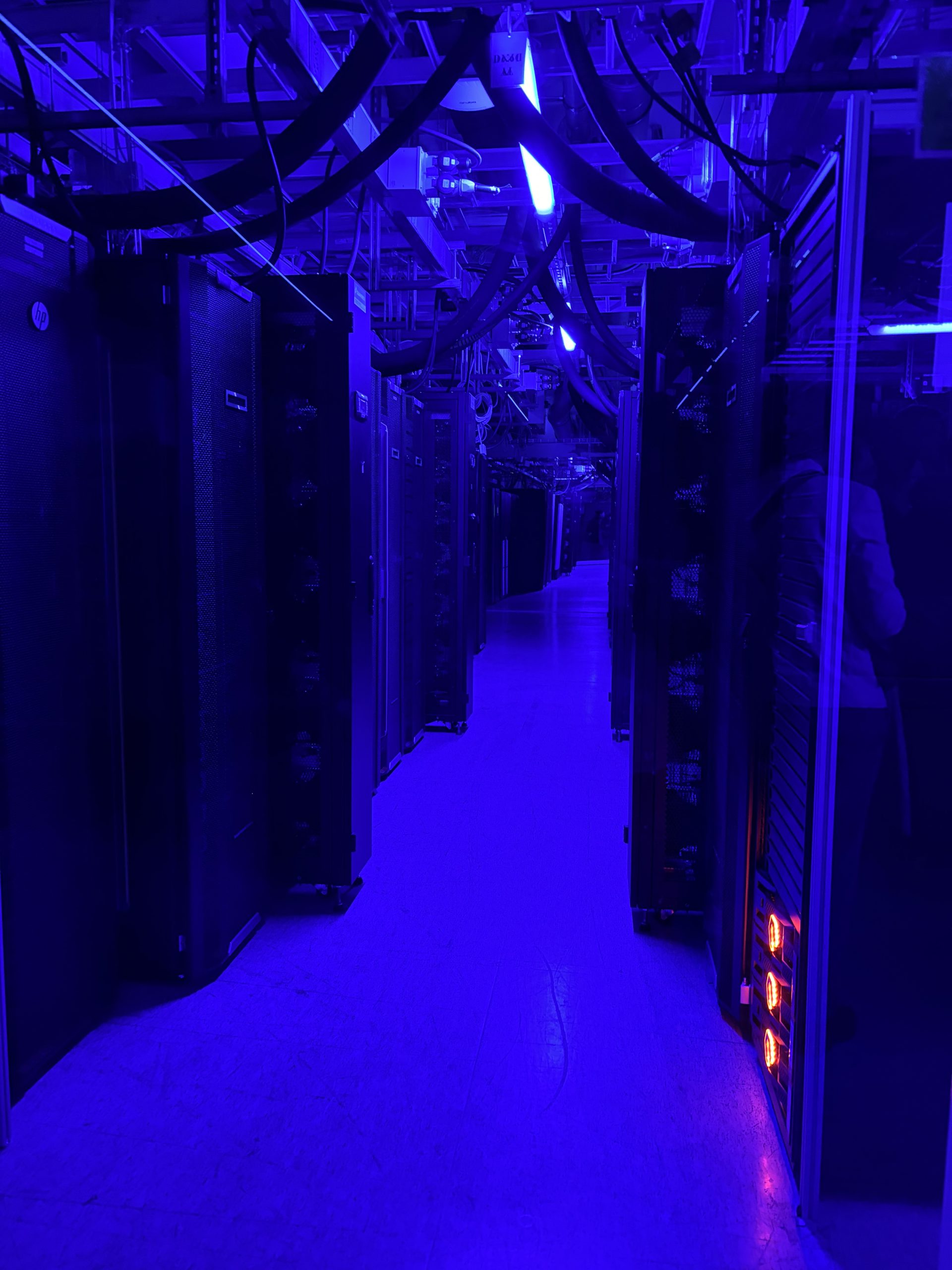
One of the highlights of the visit was the meeting at Nokia Solutions and Networks – Tampere Office, where the delegation learned more about Nokia’s operations in Tampere, System-on-Chip development, and the company’s data centre infrastructure.
The visits and direct discussions with representatives of the Finnish ecosystem also provided opportunities for networking, knowledge sharing, and identifying common interests, enabling participating organisations to establish new connections beyond the project’s planned activities.
From European Experience to the Development of the North-East Regional Ecosystem
Participation in the Tampere meeting reflects Digital Innovation Zone’s ongoing efforts to actively involve regional stakeholders in the CAMPUS project, ensuring that experiences and best practices identified at the European level reach the organisations that can contribute to strengthening digital resilience in Romania’s North-East Region.
By bringing together representatives from public administration, education, academia, and the private sector within the same delegation, the visit created a shared space for exchanging ideas, identifying common challenges, and exploring models that could be adapted to the regional context.
The experience in Tampere does not end with the working visit. The connections established, the examples explored, and the insights brought back to the region will continue to be used in CAMPUS activities and discussions with regional stakeholders, with the aim of turning European best practice exchange into relevant initiatives that contribute to a more digitally resilient North-East Region.