


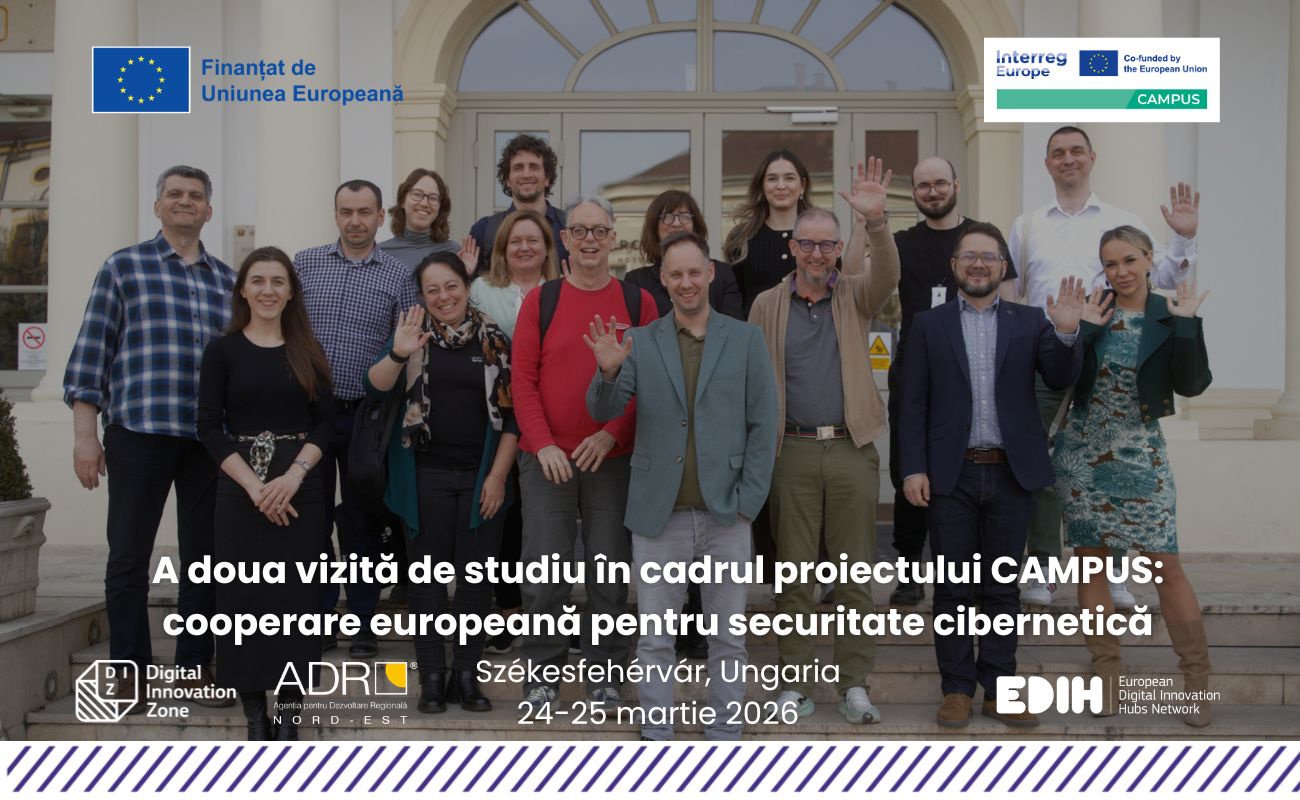
During 24–25 March 2026, our colleagues Livia Onofrei, Innovation Consultant, and Irina Robuleț, Non-reimbursable Financing Expert at Digital Innovation Zone EDIH participated in the second study visit organised under the CAMPUS (Interreg Europe) project, held in Székesfehérvár, Hungary.The meeting, organised by CTRIA – Central Transdanubian Regional Innovation Agency, brought together European partners interested in developing solutions and policies in the fields of cybersecurity and digital resilience.
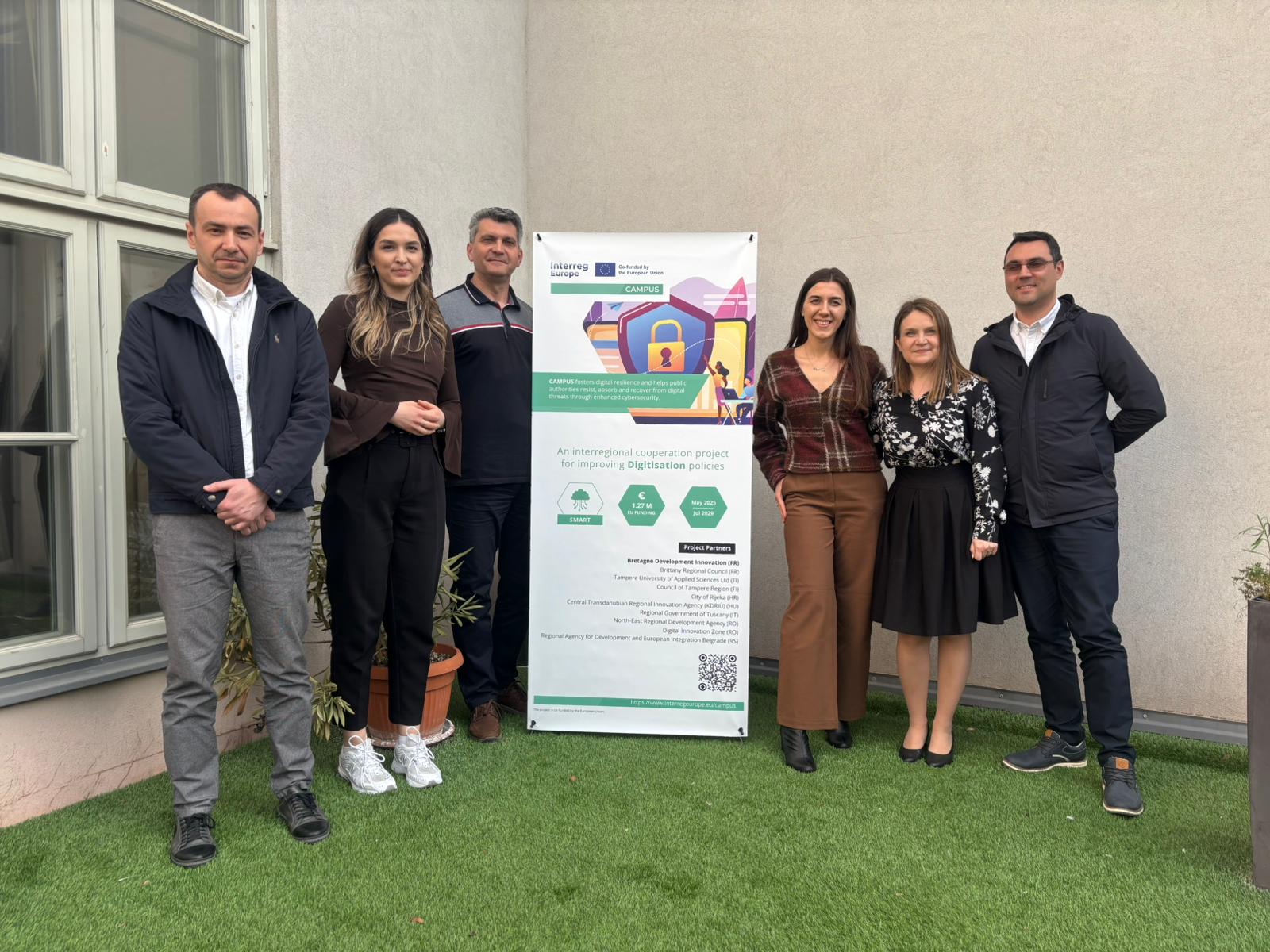
Romania was represented by a delegation comprising members of the innovation ecosystem in the North-East region. Alongside Digital Innovation Zone, the North-East Regional Development Agency, a partner within the CAMPUS project, represented by Ovidiu Savu, Head of Cooperation Office, and Constantin Amarinei, Communication Expert, facilitated the participation of an extended delegation from both academia and the private sector, thereby contributing to the promotion of the region’s expertise and capabilities in cybersecurity. The Romanian delegation also included:
- Magdalena Olaru, Designer instructional at Quartz Matrix – Quartz Matrix
- Andrei Arusoaie, Associate Professor at Faculty of Computer Science – “Alexandru Ioan Cuza” University of Iași
The participation of the Romanian delegation highlighted the region’s active engagement in European initiatives dedicated to cybersecurity.
Day 1 (24 March 2026) – Regional Analysis and Exchange of Best Practices
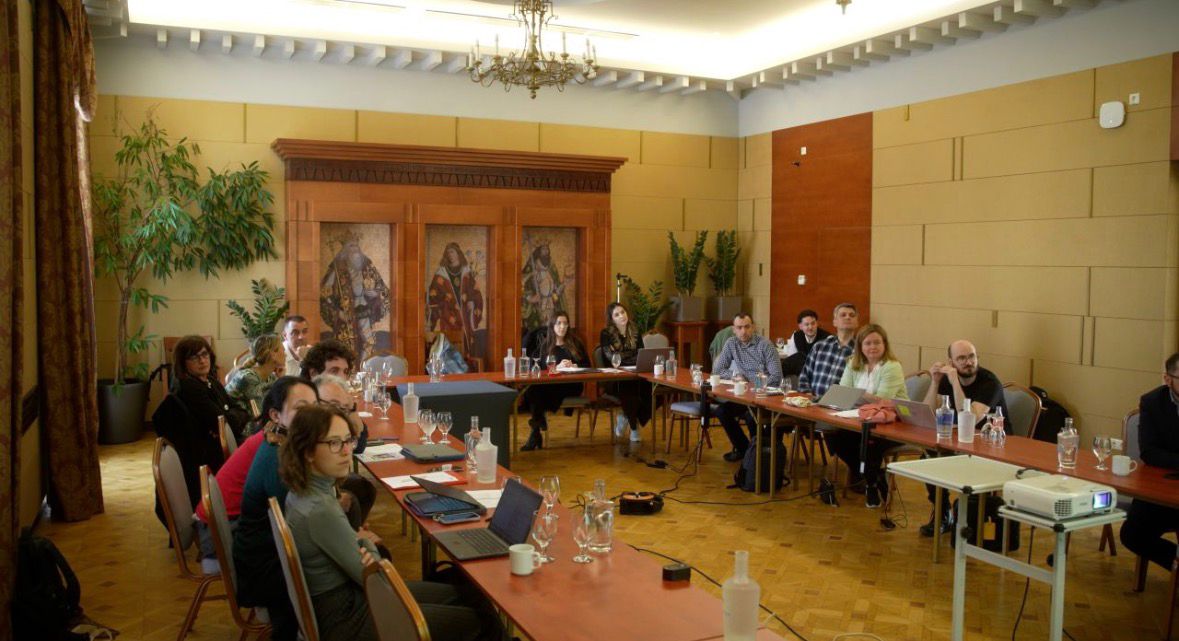
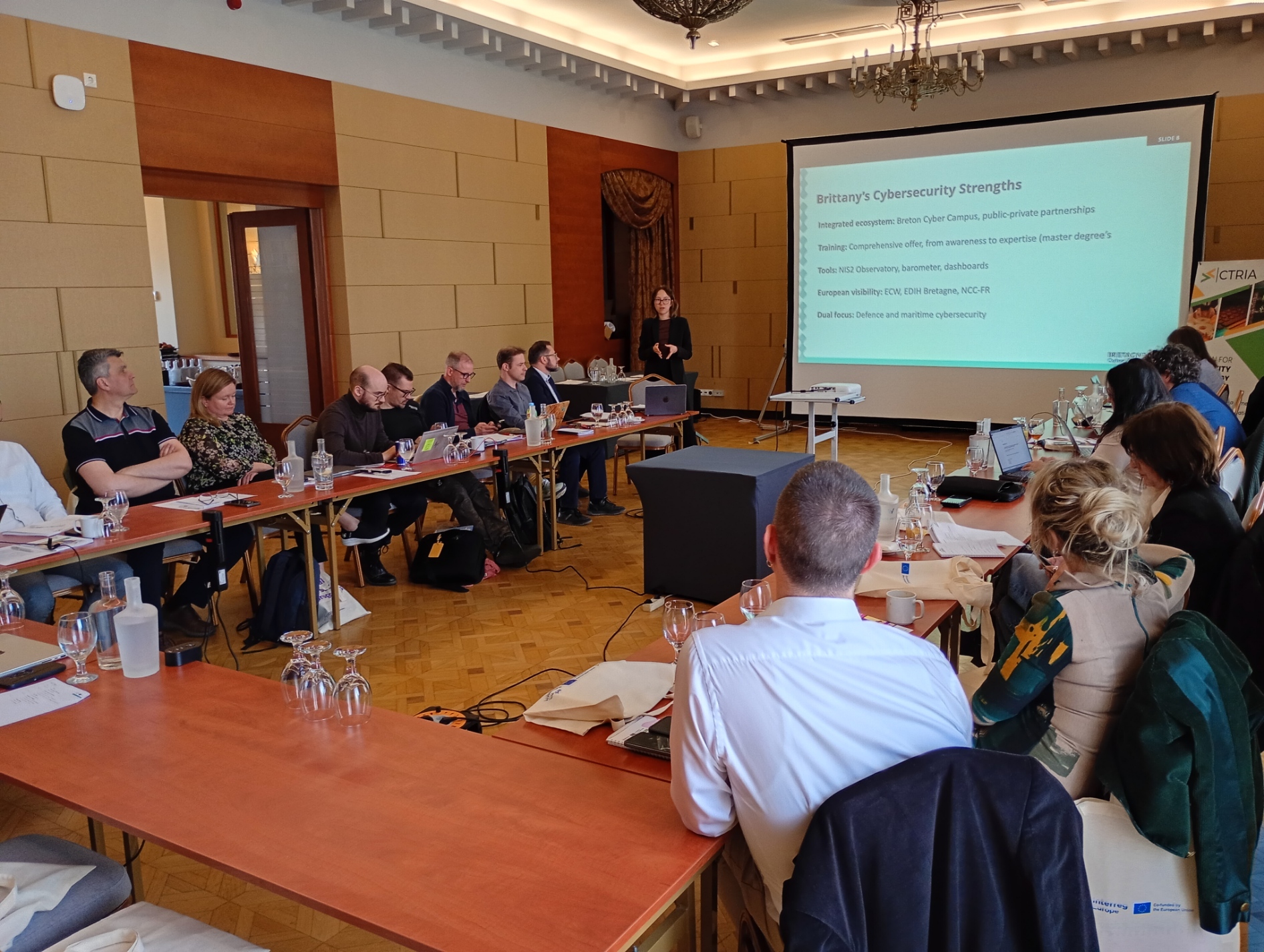
The first day of the meeting was dedicated to a structured process of analysis and strategic reflection, based on the SCORE methodology, used within the CAMPUS project to assess regional cybersecurity ecosystems. During the working sessions, each partner presented the results of their regional analysis, highlighting the maturity level of their ecosystem, the key stakeholders involved, as well as the existing tools and policy frameworks at regional level.
Building on these contributions, discussions focused on identifying common strategic directions and transferable solutions across regions, with the aim of strengthening digital resilience. The programme also included an interactive workshop, which provided participants with the opportunity to collaborate, validate preliminary conclusions, and explore potential joint initiatives within a framework focused on interregional learning and the exchange of best practices.
Day 2 (25 March 2026) – Hungarian Digital Resilience Ecosystem and European Perspectives
The second day of the study visit was dedicated to presenting the digital resilience ecosystem in Hungary, offering participants a practical perspective on how European cybersecurity initiatives are implemented at national and regional level. The sessions were opened by representatives of CTRIA, who highlighted the objectives of the CAMPUS project in the context of strengthening the capacity of regions to address emerging cybersecurity challenges.
The agenda included a series of presentations delivered by key stakeholders from the Hungarian digital ecosystem, addressing topics such as digitalisation, cybersecurity, organisational resilience, and digital skills development.
The main invited speakers were:
- DigitalTech EDIH Presentation – Ivett Gálicz (DigitalTech EDIH)
- Innoskart Digital Cluster – Zsolt Keresztúri (Innoskart)
- Blockchain for Trust & Transparency – Dr. Rita Halász (Blockchain Magyarország Egyesület)
- NIS2 Compliance & SME Resilience – István Pokó (Seacon Europe Kft.)
- Industry 4.0 & SME Digital Transformation – Attila Romics (Mortoff Kft.)
- Digital Skills & EduTech Innovation – ELTE – Eötvös Loránd University
- Cybersecurity for Digital Resilience – Gábor Varga (IVSZ)
Participation in this study visit contributes to strengthening the role of Digital Innovation Zone in developing initiatives and services dedicated to cybersecurity. At the same time, it facilitates the development of European partnerships, the transfer of knowledge between regions, and alignment with European policies and requirements in the digital domain. The CAMPUS project continues to provide a valuable framework for interregional cooperation, supporting the development of safer and more resilient digital ecosystems.